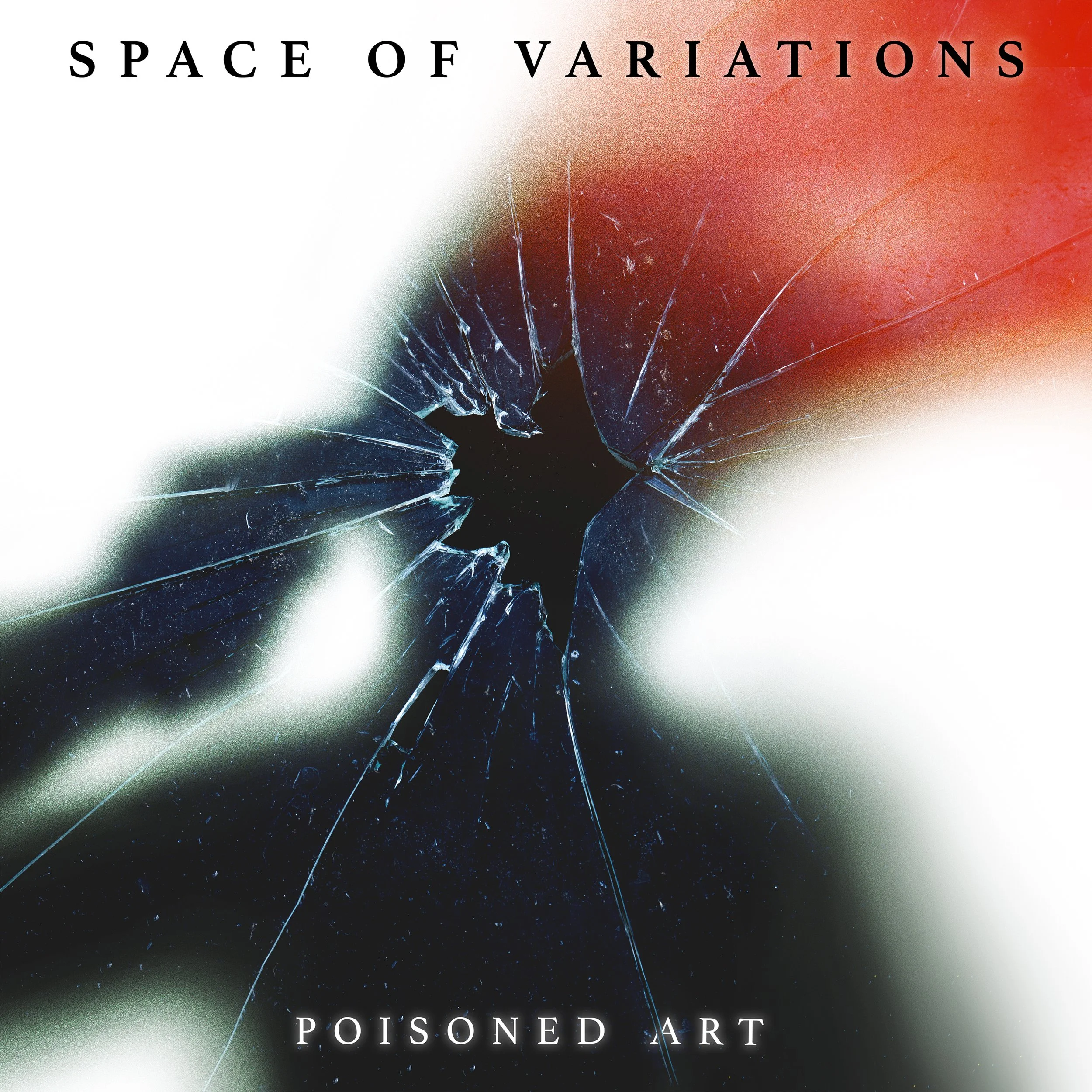
SPACE OF VARIATIONS: The Art of Breaking, the Power of Becoming
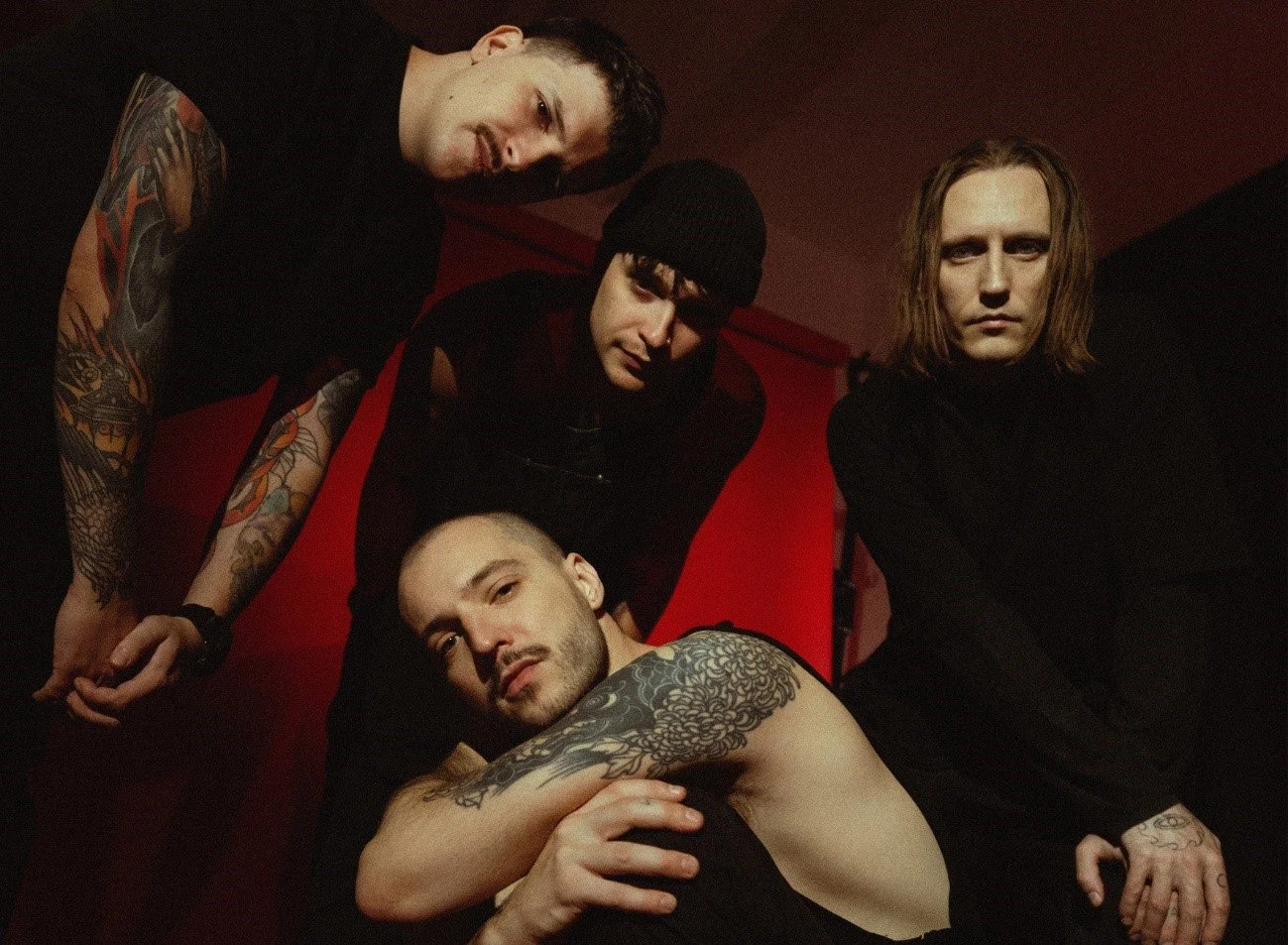
In a genre that thrives on extremity, few bands understand the quiet power of contrast quite like Space of Variations. The Ukrainian four-piece have never been content with heaviness for heaviness’ sake, instead, they weaponise emotion, silence, and vulnerability just as fiercely as distortion and anger. With their upcoming album Poisoned Art, set for release on February 13, 2026 via Napalm Records, Space of Variations aren’t just releasing new music. They’re revealing a new skin.
This is an album that doesn’t ask for your attention, it demands it. Brutal yet delicate, furious yet reflective, Poisoned Art feels like a documentary of survival, identity, and internal collapse, delivered with an intensity that’s impossible to ignore.
Forged in Emotion and Evolution
Twice crowned Ukraine’s Best Metal Band at the BUMA Awards and former tour partners of Jinjer, Space of Variations have spent years sharpening a sound that refuses to stand still. Rooted in modern metalcore and djent, their music pulls freely from electronic textures, hip hop rhythms, and cinematic atmospheres, all without ever losing its emotional core.
At the centre of it all is frontman Dmytro ‘Dima’ Kozhukhar, whose vocal control is genuinely staggering. Spoken word slips into melodic singing, which then fractures into throat-ripping screams – sometimes within the same line. It’s not showboating; it’s storytelling. The band uses vocal shifts as emotional punctuation, allowing the music to breathe, erupt, collapse, and rebuild. That sense of evolution defines Poisoned Art. This is a band unafraid to slow things down, to let silence hang, or to experiment with structure. Every track feels intentional, and every risk feels earned.
The Weight Beneath the Noise
What makes Space of Variations stand out isn’t just their heaviness, it’s their honesty. Where much modern heavy music leans toward aesthetic or genre fusion for novelty and appearances, Space of Variations uses contrast to deepen emotional impact and connection. Aggression and calm exist side by side, not as opposites, but as reflections of the same internal struggle.
There’s also something deeply powerful about their use of language. Switching between English and Ukrainian doesn’t just add texture, it adds intimacy. When the band sings in their native language, the music takes on an almost spiritual quality, grounding the record in identity and place.
Poisoned Art is a bold, emotionally charged statement from a band refusing to stagnate. Space of Variations are pushing modern metalcore forward by embracing vulnerability as fiercely as brutality, and by trusting silence just as much as sound. This is a record that hurts, heals, and lingers. Unbroken, unapologetic, and constantly evolving, Space of Variations aren't just part of the future of metalcore, they’re helping define it
Walking Through Poisoned Art
Tribe
The album opens ritualistically, with chanting that immediately sets the tone. Low, spoken vocals build tension before exploding into an impressively controlled scream by the end of the first verse. The contrast is addictive. Verses and choruses are intense and confrontational, while the spaces between them drop into an eerie calm. A mid-song rhythm change slows everything down, becoming more drawn out and deliberate. When clean singing enters seemingly out of nowhere, it feels transcendent, especially when the band switches into Ukrainian. It sounds genuinely angelic. The return to English is violent by comparison: fiercer, louder, angrier. The abrupt ending feels like being cut off mid-ritual, and I was left wanting more.
Halo
Completely different energy from the start. The beat is more constant, not as fast, but relentlessly intense. A repeating crescendo melody coils through the track, tightening tension rather than releasing it. The staccato rhythm gives everything a sharp, almost mechanical edge. Halfway through, clean vocals slow the momentum and allow the lyrics to breathe. They’re graphic, poetic, and deeply vulnerable – living in the constant turmoil of emotional and moral damage. One spoken line delivered at the end sent actual shivers down my spine. The track ends suddenly on an echoing note, leaving the tension unresolved.
Mayday
Urgency defines this track instantly. A pilot’s voice announces the loss of altitude, and suddenly you’re in freefall. The band plays beautifully with dynamics here – violent phrases momentarily soften before the intensity crashes back in. The first chorus is sung unexpectedly tender, lyrics about trapping someone in love adding emotional complexity. The rhyming couplets feel natural and unforced. A raw, back-of-the-throat scream strips everything away before the beat shifts again. The way they flip from angelic singing to pure screaming within a single line is genuinely jaw-dropping. The abrupt ending feels like an impact without warning, in theme with the pilot from the beginning.
Parallel Realities
This track opens more musically, with echoing guitar and background vocals setting a reflective mood. When the full band enters, it’s intense but restrained compared to earlier tracks. This feels like the emotional heart of the album, and possibly where the album title truly comes to life. The pauses before the chorus are incredibly effective, stopping everything just long enough to make the returns hit harder. Repeated lines echo, drums feel heavier, and a long, sustained scream cuts straight through. One low, almost unintelligible verse is deeply eerie. Lyrically, this might be one of the strongest on the record – and it’s absolutely one of my favourites.
Doppelgänger
The song builds patiently before snapping into fast-paced anger. Drums and guitars punctuate every word, giving the vocals extra weight. A calmer middle section introduces clean singing and a wider vocal range, subtly shifting the mood without losing intensity. The ending strips everything back to a simple melody with no drums, a surprisingly gentle comedown that contrasts beautifully with the fury before it.
Godlike
This track hits immediately with equal-weight drum and guitar force. Lyrics are screamed from the outset, unapologetically aggressive. When the song shifts into clean vocals, the instrumentation loosens slightly, allowing emotional nuance to come through. There’s a clear pattern here: simpler, angrier lines are screamed, while more emotionally complex lyrics are sung or spoken. A particularly impressive “no,” screamed deep in the throat, lingered in my mind as the music cut out, hanging in the air for just a second too long.
Ghost Town
This one feels haunted rather than furious. The music builds gradually beneath the vocals, letting emotion lead the track instead of raw aggression. While the band’s screaming ability is clearly on display, the song favours its more lyrical side, allowing melody to linger. Clean vocals stay within a restrained range, but they’re incredibly addictive, looping in your head long after the song ends. There’s a deliberate sense of restraint here that makes the moments of intensity feel more impactful. It feels empty in the best possible way — like walking through ruins that still remember what they were, heavy with echoes and absence.
Coldheaven
One of the album’s boldest and most experimental tracks. Glitchy, distorted vocals and soft piano dominate the intro, creating a fragile calm before everything detonates. High, belted screams clash beautifully with low growls, while rapid, relentless drumming locks into aggressive guitar rhythms. The imagery is vivid and unsettling, built on juxtapositions and contrasts that actively dismantle what we think we know. There’s even a subtle rap-like cadence at points which, although surprising, works remarkably well and adds to the song’s unpredictability. A fake-out ending with piano gives way to a long, echoing outro that feels almost cinematic. Another serious favourite!
Back to Dirt
Low, spoken vocals open the track, repeating and gradually growing louder, pulling the listener in through sheer insistence. Religious imagery runs throughout, grounding the song thematically as the drumming intensifies and the tension steadily rises. The emphasis on sharp, memorable one-liners is brilliant; quiet repetitions followed by stressed syllables hit harder than constant chaos ever could. When singing finally arrives late in the track, it introduces a wider vocal range and some striking higher notes that feel earned rather than showy. The slow build makes the payoff deeply satisfying.
Snake Skin
Vocals arrive immediately, spoken over simpler, stripped-back instrumentation that feels almost confrontational in its calmness. As the song progresses, the music thickens and gains weight, but the anger remains controlled rather than explosive, simmering just below the surface. When the band directly addresses the listener with screamed lines, everything snaps into focus, sharpening the song’s intent. Multiple voices in harmony heighten the intensity before clean vocals return to steady the track again. The outro mirrors the intro, cutting off abruptly and reinforcing the theme of transformation and uneasy renewal.
Lies
This track hits emotionally straight away. Vocals begin before the instrumentation, making the lyrics feel exposed, vulnerable, and almost unprotected. When the music does enter, it supports rather than overwhelms, allowing the emotional core to stay front and centre. Repeated lines are delivered louder for emphasis, not technical display, which keeps the focus firmly on meaning rather than performance. In the final moments, those same lines are sung softly instead, drained of force, with the last line landing like a quiet goodbye. Another undeniable highlight for me!
Echo
A wordless, atmospheric closer that strips everything back. An almost angelic voice sustains a single vowel, gently undulating with the melody and creating a sense of stillness. It’s calm, reflective, and unexpectedly soothing after the emotional weight of what came before. About a minute in, the focus shifts fully to the instrumentation, letting the album breathe and slowly dissolve rather than explode. It’s a perfect ending, one that leaves space, silence, and reflection rather than trying to fill every moment.
You can buy the album here.