
Where Titanic’s Story Truly Began - A Review of the Titanic Exhibition in Liverpool
Last weekend my family and I visited an exhibition on a subject that I have been fascinated with for years. The Titanic Exhibition in Liverpool. It’s not every day that you get to walk through slices of history in the very building where they were created, where one of the most famous – and tragic – voyages of all time was planned. Set inside the former headquarters of the White Star Line, now the beautifully atmospheric White Star Line Hotel, this exhibition promised a compelling blend of history, human stories, and rare artefacts. And after seeing it with my own eyes, I have so many thoughts, impressions, and tales to tell.
So, let’s dive in. Was it worth it? Did it feel like being there? And what did I take away from the experience, both intellectually and emotionally?
A Homecoming – More Than a Museum
What makes this exhibition different from others is the location. The Titanic is perpetually interlinked with Liverpool with the White Star Line’s operational heart beating right at its center. Titanic carried Liverpool on her stern, and her destiny was orchestrated, in part, from this very building. For anyone interested in maritime history, I feel there’s something almost poetic about encountering the ship’s story here rather than in a generic gallery or on a promenade somewhere.
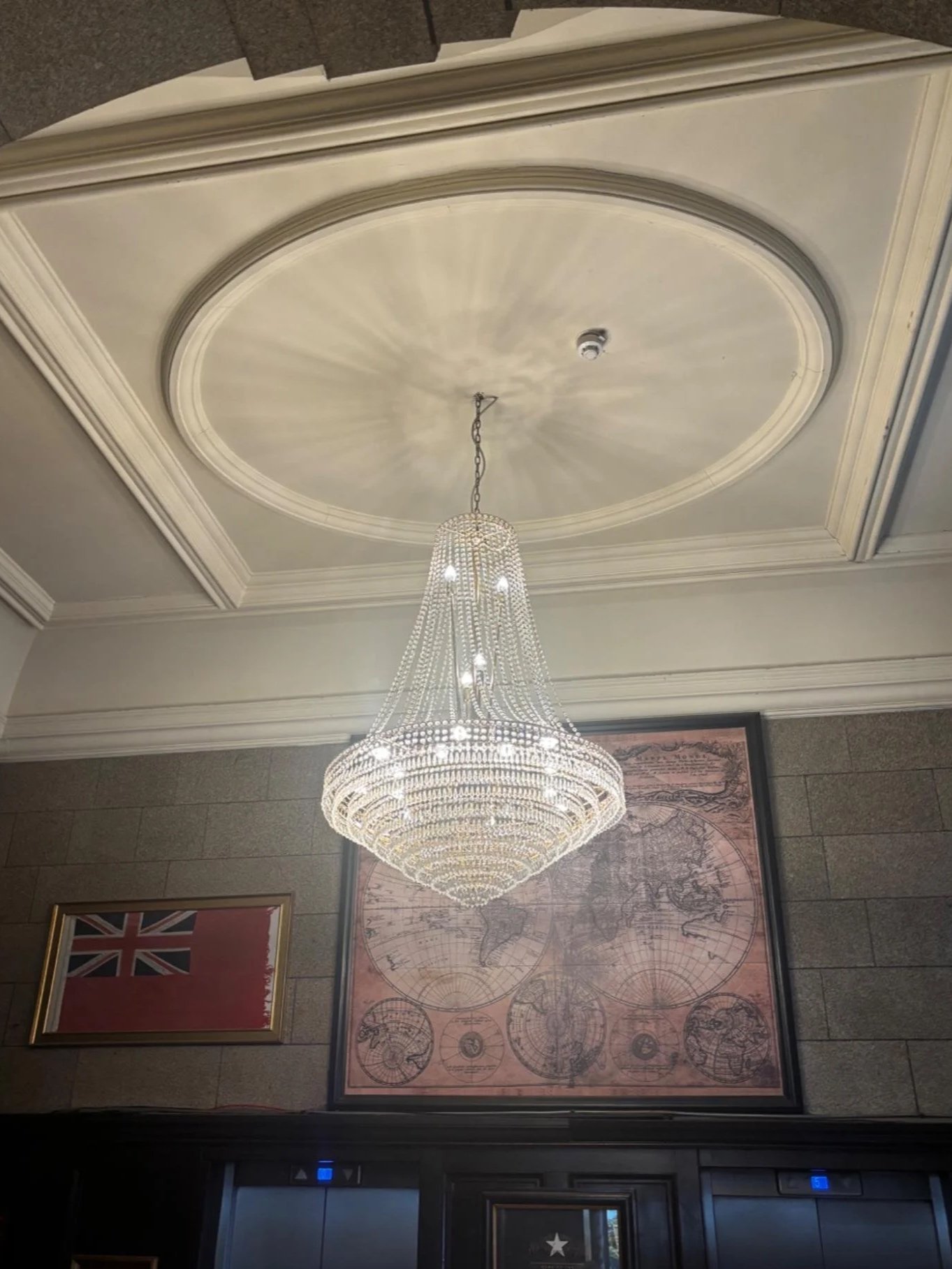
The exhibition runs from January 8th–March 20th 2026, and from the moment you step through the doors of this historic site – tall ceilings, grand chandeliers, a reverent hush – there’s a sense that you’re stepping back a century. This is not just a history lesson that is taught to you. It’s felt.
First Impressions – Space, Structure, and Setting
by nu_visions photography
Physically, the exhibition isn’t enormous, taking around an hour to fully complete. It’s housed mainly in a large hall on the ground floor, with artefacts positioned alongside wall displays, information panels, and photographs. If you’re expecting a huge museum tour with rooms upon rooms of exhibits, that’s not what this is, and it’s important to go in with realistic expectations. Several visitors online have echoed this sentiment: it’s compact, it’s focused, and it takes time to absorb everything properly.
That said, what it lacks in scale it certainly makes up for in intimacy and setting. Being in the very room where White Star executives once plotted routes and managed one of the world’s greatest liners gives everything a special gravity that a neutral space could never replicate.
Artefacts That Tell a Story
Let’s get into the core of any history exhibition – the artefacts themselves. This show features a curated selection of items from Titanic’s story:
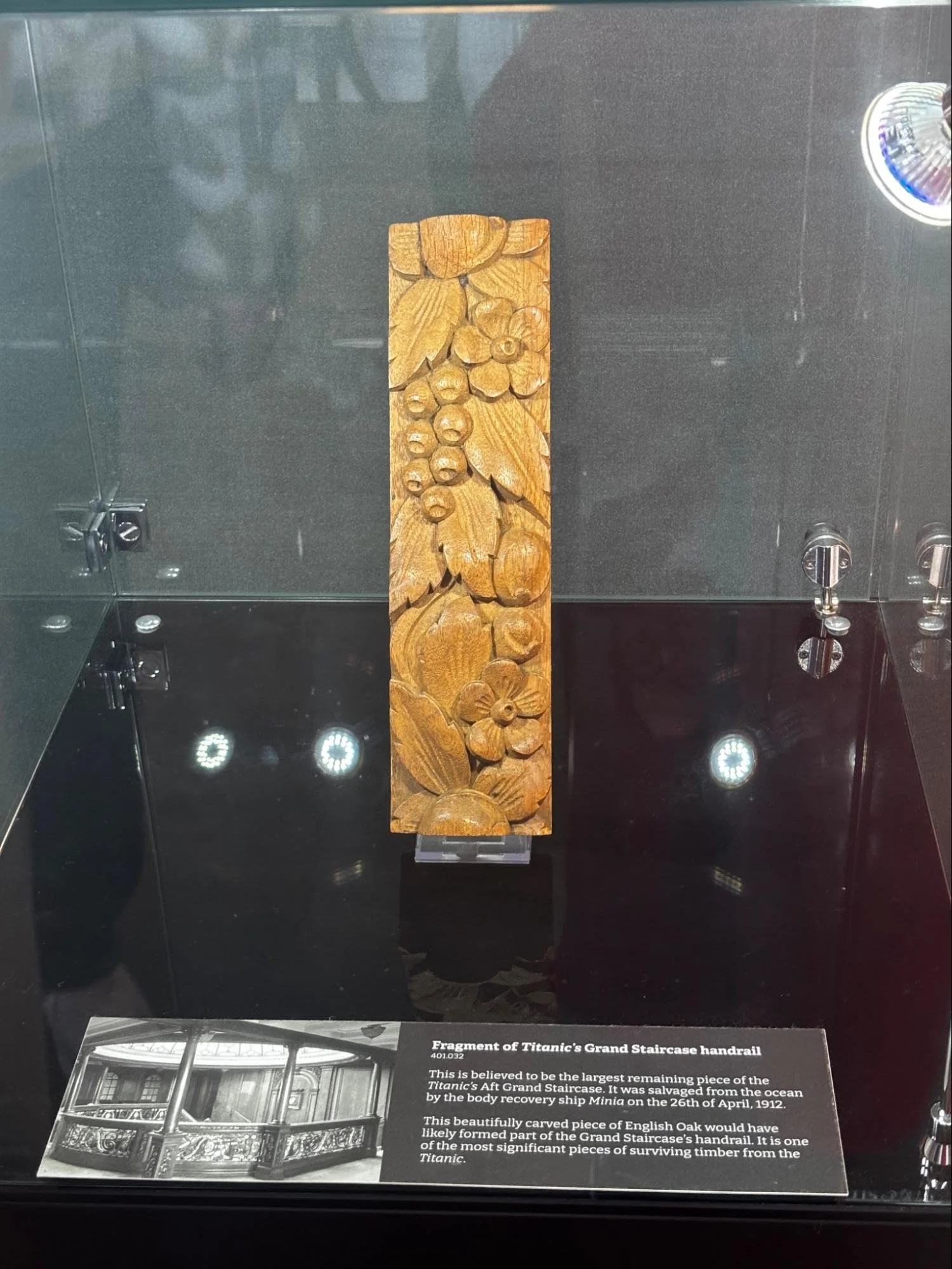
The Aft Grand Staircase fragment - this was easily the most visually impressive piece on display for me. The craftsmanship, the detail, it’s a physical connection to a ship that otherwise exists now only in memories, photographs, and the deep Atlantic.
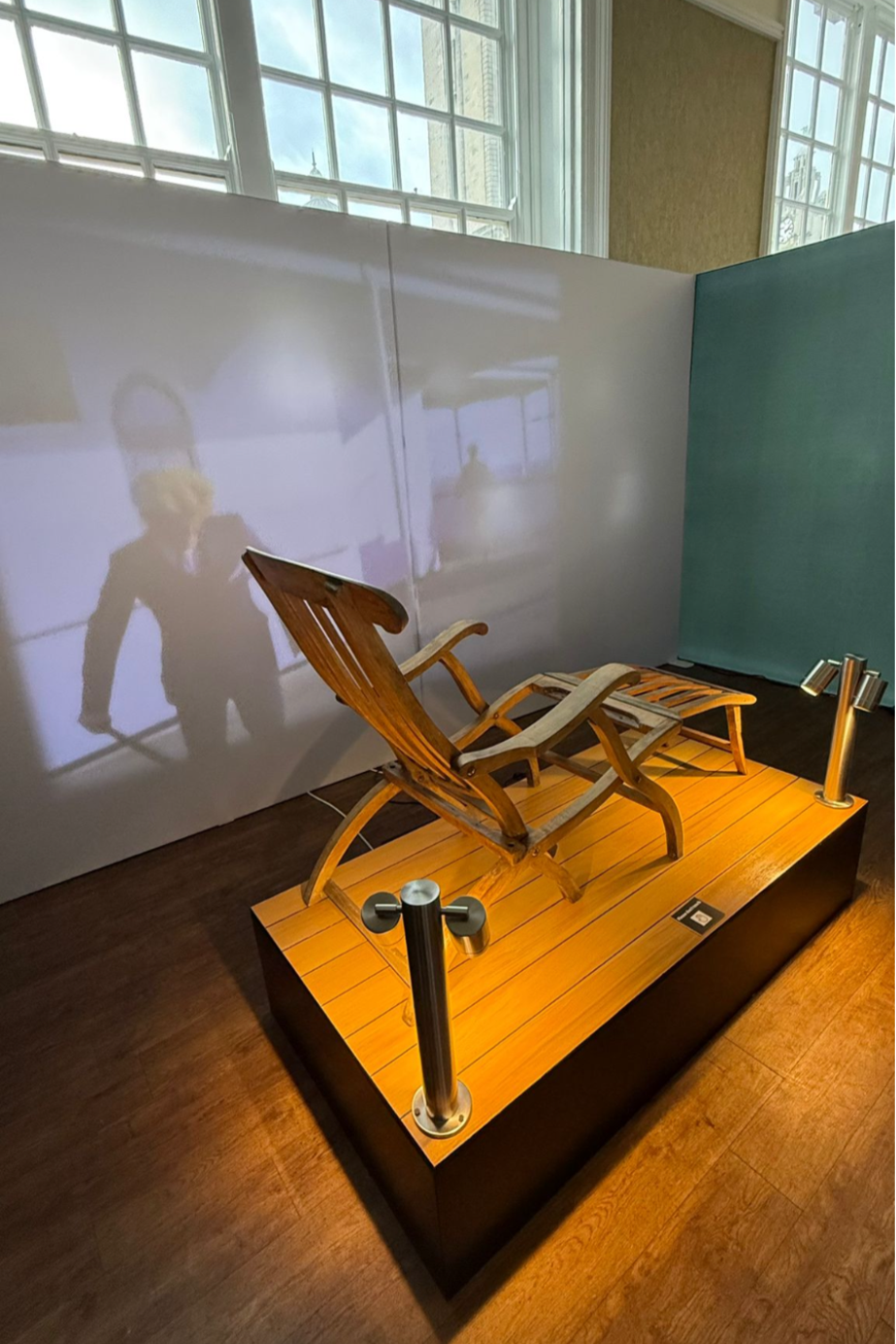
One of the few surviving deck chairs surviving from the ship – seeing everyday objects like this really clamps the story to reality. We were told who would’ve sat on this chair as each was assigned personally to a room for the first class passenger. We were also told that one of the bakers aboard the Titanic – Charles Joughin – was spotted throwing these chairs into the ocean when the Titanic began to sink, so this chair may well have saved a life or two.
A pocket watch and fid belonging to Fireman William Major – these personal items are sobering reminders that real people lived, worked, and died on the Titanic. It’s strange to walk through the forest of accounts and artefacts that are real, and not just words in a history book.
Wallace Heartley’s sheet music fragment – perhaps one of the most poignant moments for me. Knowing that this piece of music stayed with Hartley until the very end, saved by his leather case, adds another layer of emotional depth to the entire tragedy.
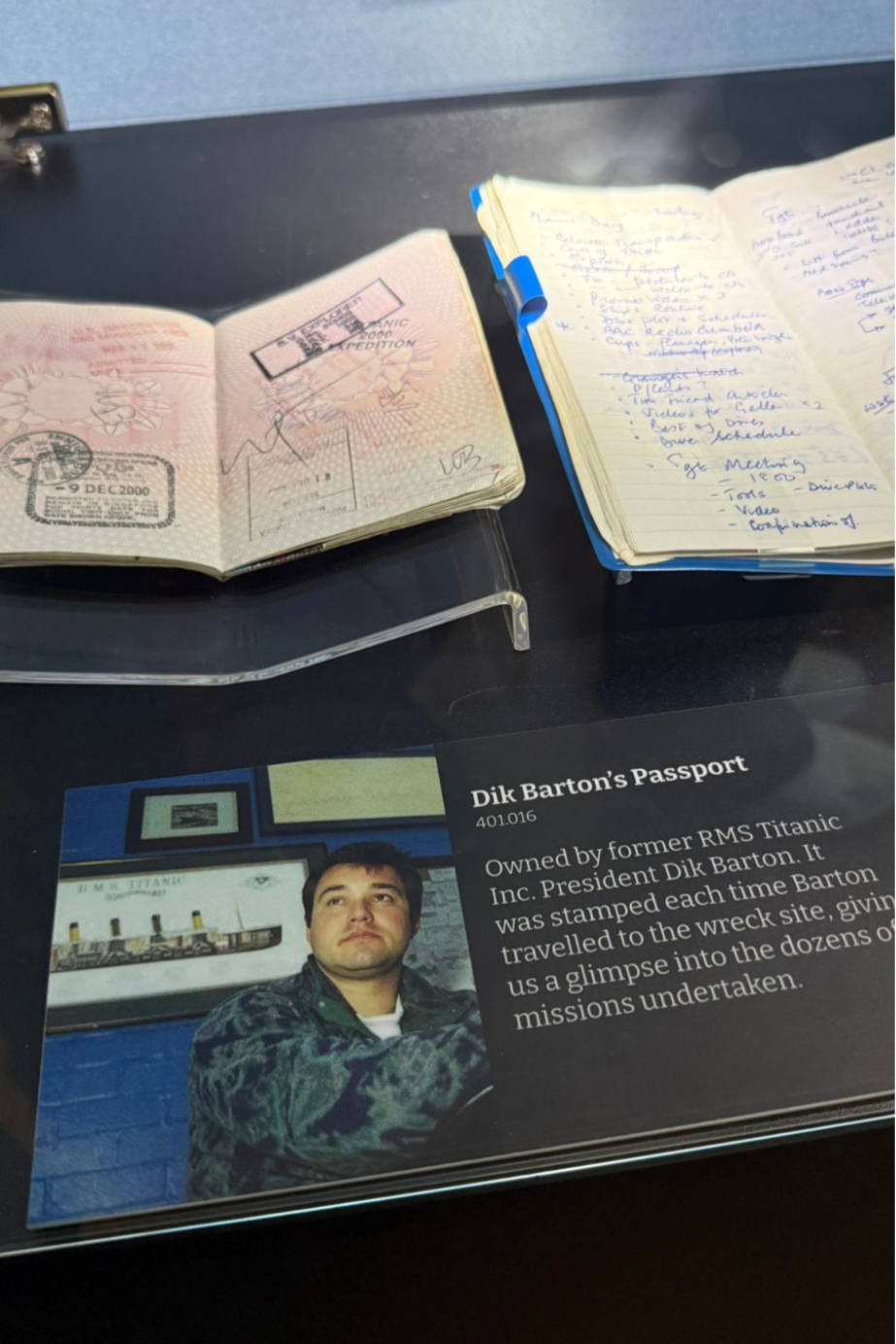
There are also letters, telegrams, and more personal effects that give voice to the passengers and crew – their hopes, their dreams for a new life in America, their last communications home. This isn’t a huge trove of thousands of relics, but what is here has been chosen carefully. Each piece feels purposeful and carries fragments of souls.
Storytelling & Narrative
by nu_visions photography
The exhibition is designed to guide visitors chronologically through the Titanic’s story:
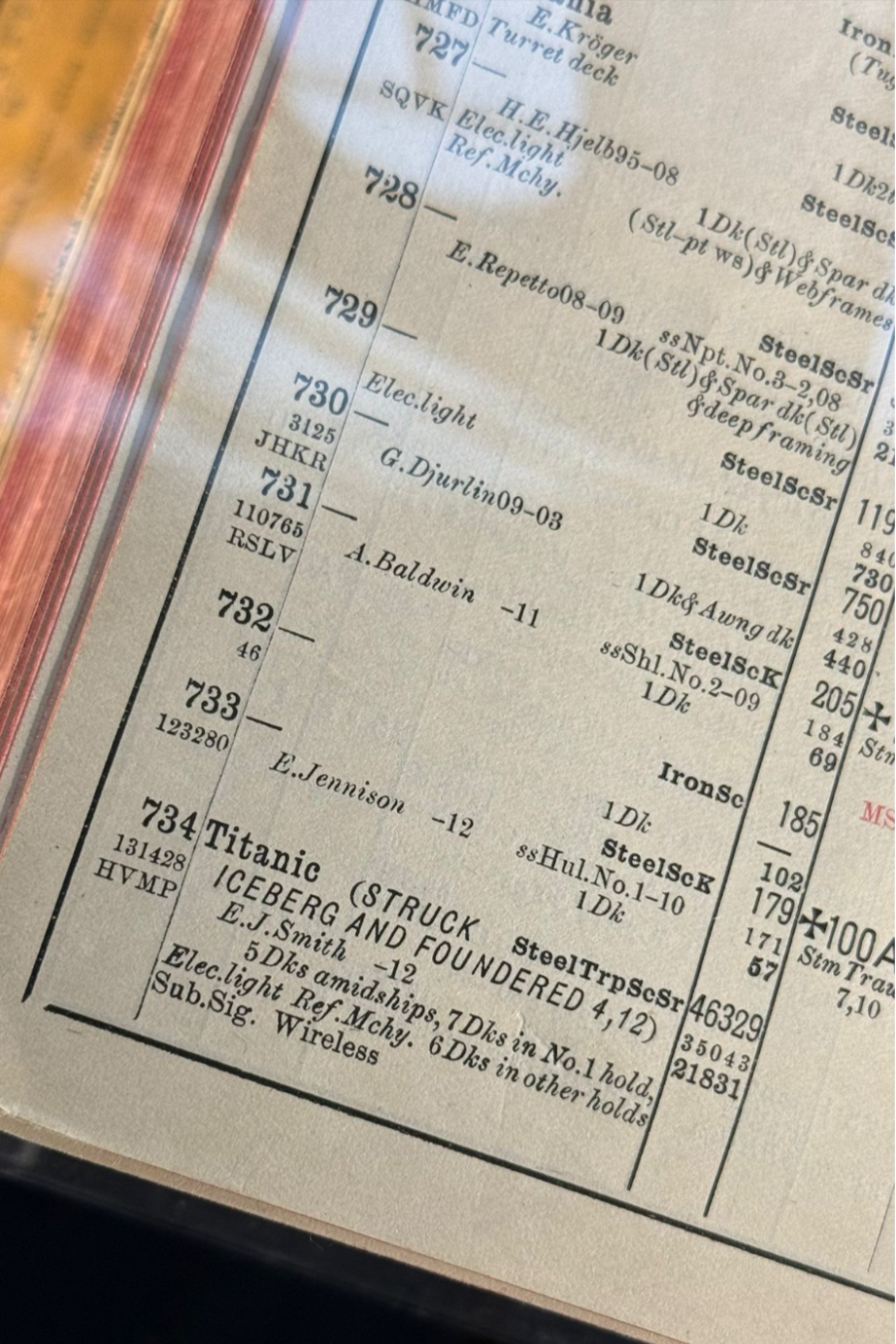
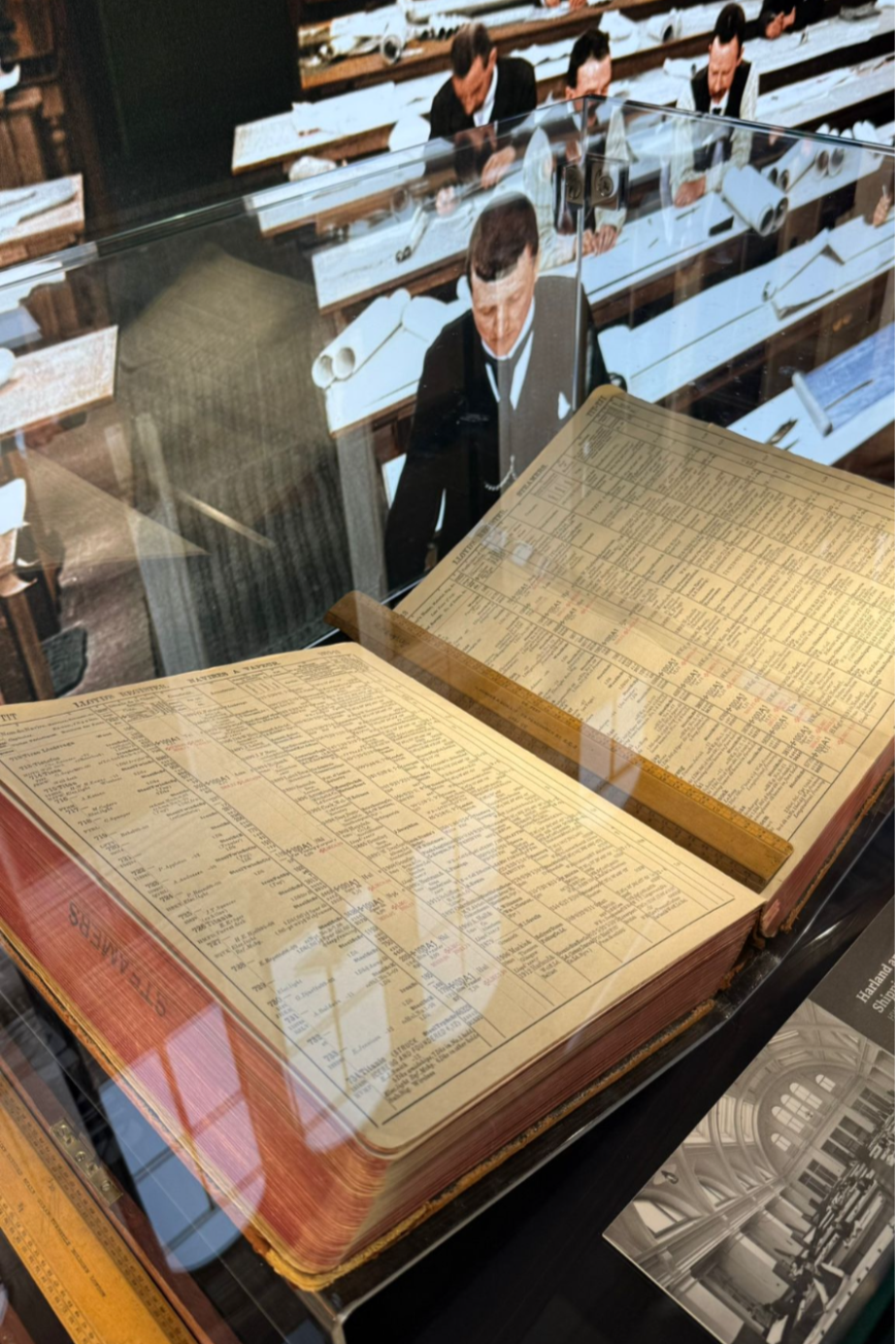
Conception and Build – we saw office registers, yellow pulleys, photographs from when the design was being made, statistics that put everything into perspective.
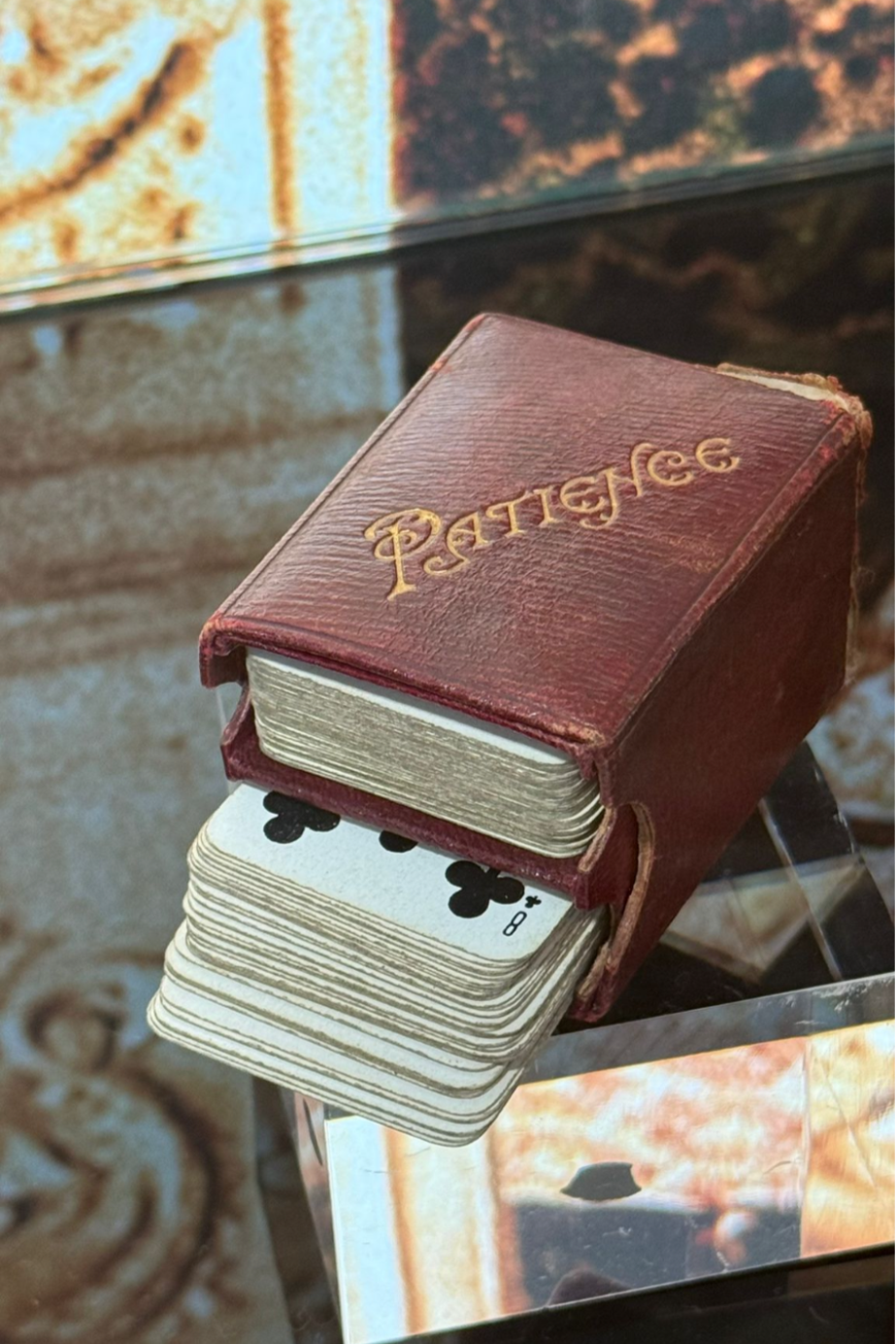
Maiden Voyage – cream cups from the Café Parisien, letters from first class passengers, packs of cards, the glamour and excitement of new dreams.
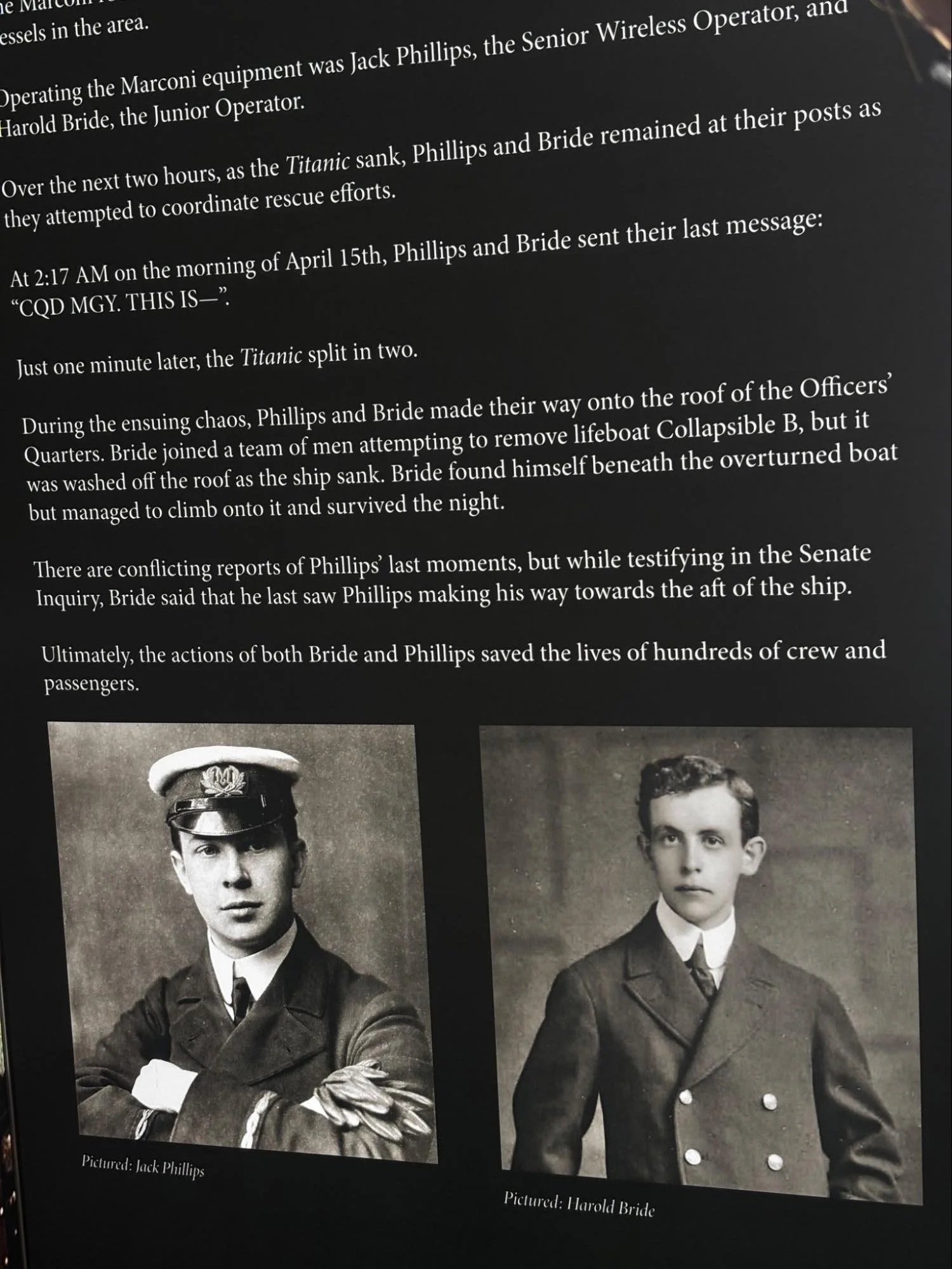
The Sinking – this was another vital moment for me, seeing how the wireless operators were attempting to communicate with the outside world continuously until the Titanic split in half.
Aftermath and Rediscovery – this section told us all about the expeditions that have travelled down and recovered artefacts, all about the dangers of such a trip, never before seen footage, and what we have learnt since.
by nu_visions photography
The narrative for me is very well structured, with clear information panels. It’s not dry or academic, it’s human. And the most moving moments were the personal stories and the large canvas with every passenger's name on who lived and died, not just the technical details.
What It Feels Like
by nu_visions photography
Here’s the thing: this exhibition isn’t just about reading facts or seeing objects. It’s about feeling the presence of the people who lived through this story. Walking slowly through every panel, I found myself thinking about:
The optimism of everyone who was heading to a new world, a new life.
The class divisions onboard mirrored by the differing survival rates.
The courage of crew members whose choices reflected selfless bravery.
by nu_visions photography
There was a hush in the space that I don’t think you’d get in a larger, busier museum. It invites you to linger, reflect, and immerse – not just skim.
Worth the Price?
by nu_visions photography
The tickets are affordable (around £11.99 for adults and £6.99 for kids), especially considering this isn’t a purely commercial experience but a cultural and historical one.
If I had any critique, it’s that because the space is compact, it can feel slightly crowded at peak times. And there’s a moment early on where, if you’re not interested in reading every panel, the first section can feel a bit text-heavy. But that’s a pedantic observation in an otherwise very thoughtful display.
Some voices online have mentioned it’s “small” for what you pay. But I’d argue that quality beats quantity here. And part of the value was the unique context – being in the same building that once hummed with the business of the titanic.
A Snapshot in Time
by nu_visions photography
For anyone who loves history, maritime lore, or human stories, this exhibition offers something truly special. It’s not about spectacle; it’s about connection. There’s humility here – no glittery Hollywood recreations, no gimmicks – just genuine pieces of history and soul.
If I had to capture my experience in one sentence, it would be this:
Standing beside the remnants of Titanic’s grand staircase, surrounded by personal objects and letters, I felt closer – more humanely connected – to the story than I ever have before.
And really, in the end, isn’t that what makes history meaningful?
Final Thoughts: Who Should Visit?
by nu_visions photography
You! You should! But seriously, this exhibition is especially perfect for:
History lovers who appreciate real artefacts and thoughtful storytelling.
Maritime enthusiasts fascinated by Titanic’s engineering, culture, and legacy.
Anyone wanting a reflective, emotional museum experience – not a blockbuster show.
Liverpool visitors looking to connect with a unique part of the city’s past.
If you walk in expecting theme-park thrills or immersive VR environments, you won’t get that here. But if you seek depth, context, and connection, then this will linger with you long after you leave.
I stepped out of there feeling moved, inspired, and more appreciative of the immense human narratives tied to this ship. So, I recommend it to all of you reading this, friends, family, and readers alike.